Partnerships
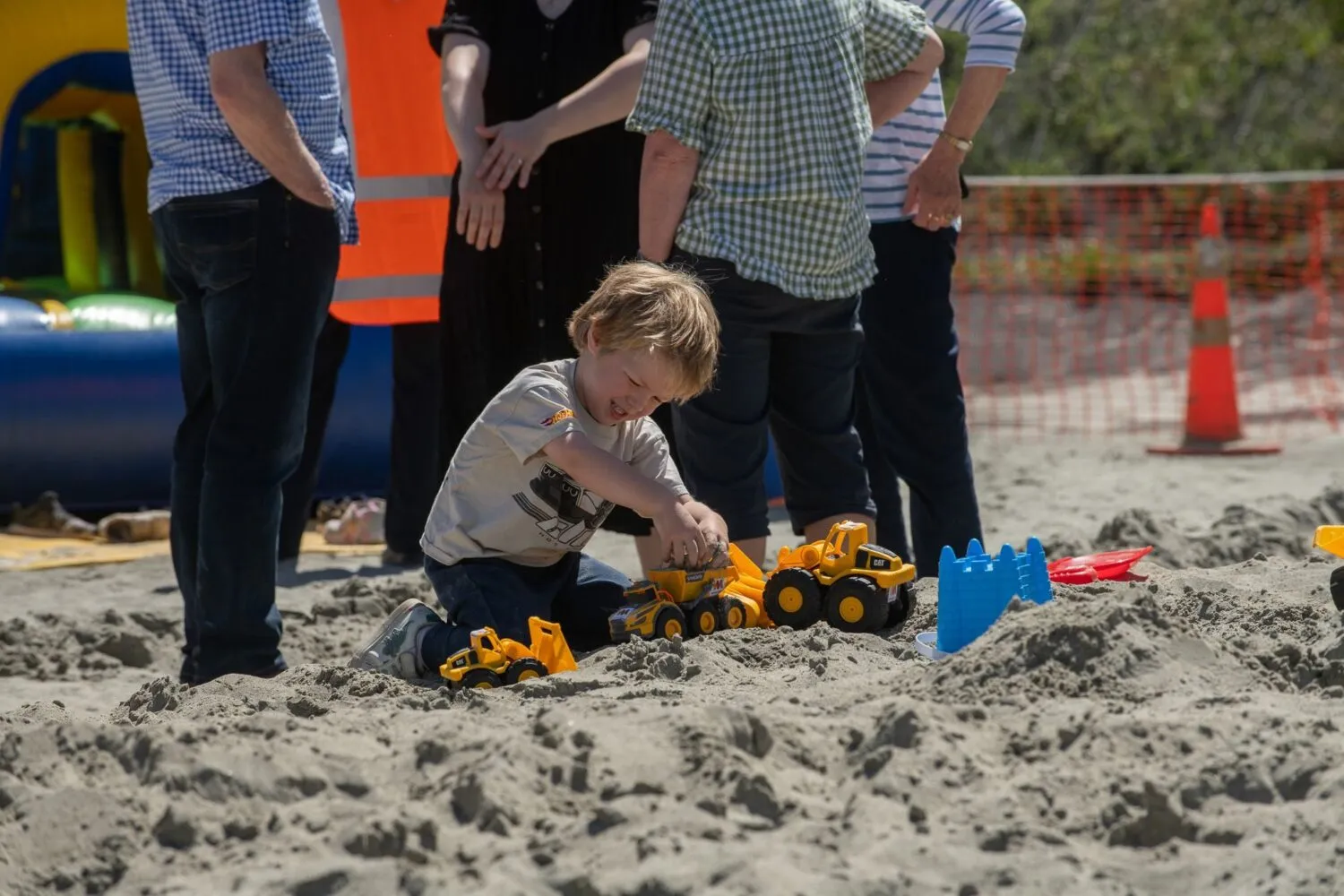
Over $1.7 million returned to the local community through the Kate Valley Group Community Trust.
Renewables / Kate Valley Group
Landfill gas is a natural by-product of decomposing waste.
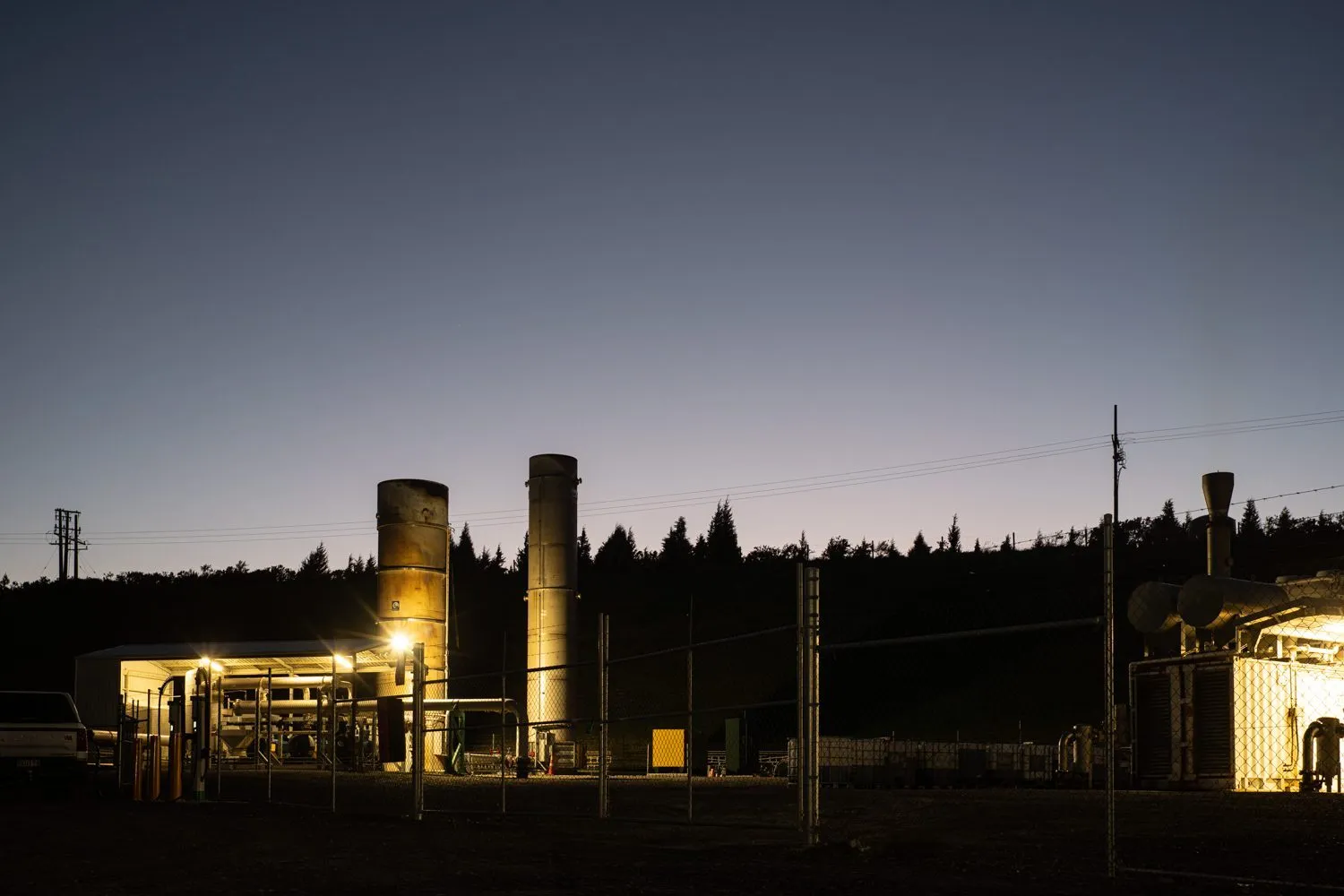
At Kate Valley Landfill, we capture it and convert it into renewable energy at the Gareth James Energy Park.
Hayden Leach, General Manager
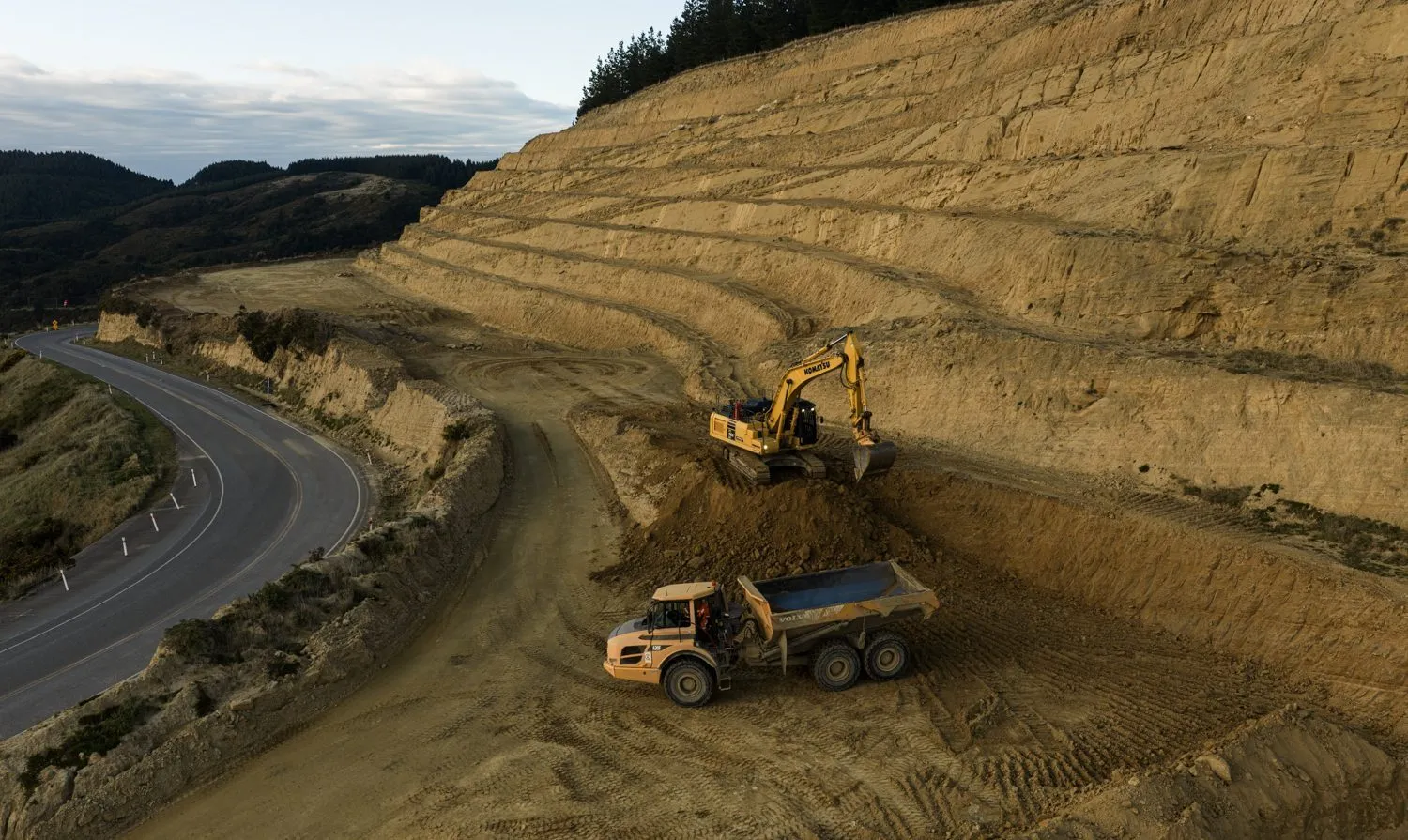
Kate Valley Landfill is consented to receive waste until 2039, with space for 100+ more years beyond that. Landfill gas will continue to be generated long after Kate Valley Landfill ceases receiving waste, so this system will keep producing renewable energy for generations.
The performance of Kate Valley Landfill’s landfill gas management system is independently verified through greenhouse gas auditing by Toitū Envirocare. Recent audits have confirmed a 93% methane capture rate. Independent verification provides ongoing assurance that the system is performing as designed.
How it works
As waste breaks down in the landfill, it produces two things: landfill gas and leachate, a liquid that’s collected and treated separately. Organic based products such as food, paper, timber, and natural fibres like wool and cotton are the main contributors to landfill gas.
Left uncaptured, this gas would enter the atmosphere as methane, a greenhouse gas many times more potent than carbon dioxide.
Capturing it and converting it to energy does release carbon dioxide, but as landfill gas is a biogas, that carbon is part of the natural carbon cycle already circulating between the atmosphere and organic matter. It adds no fossil carbon to the atmosphere, unlike burning coal or oil.
Instead, a network of 69 extraction wells (and counting) and pipelines draws the gas out and sends it to the Gareth James Energy Park. A methane-detecting drone surveys the site weekly, checking for any gas that escapes the system.
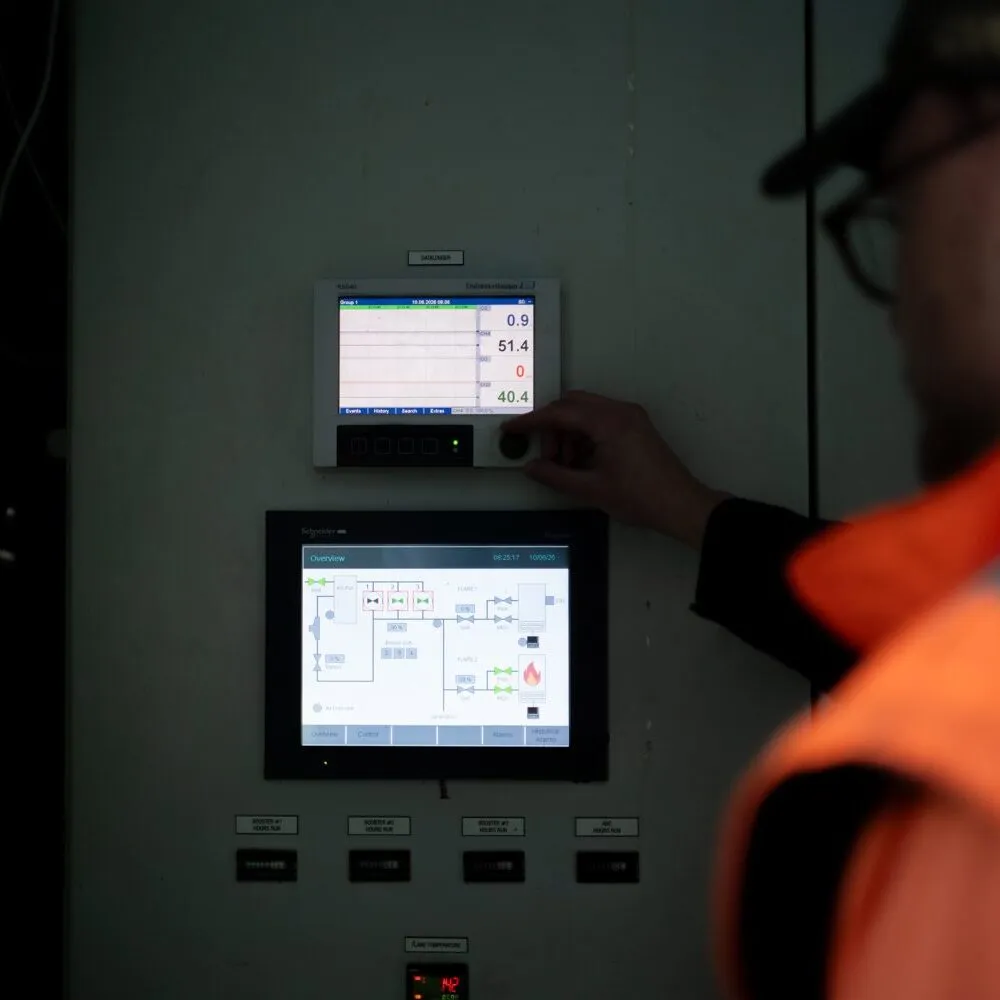
Together, these generators produce enough renewable electricity to power more than 4,000 homes, more than the population of nearby Amberley.
Renewable energy generated from landfill gas also powers Kate Valley Group’s electric vehicle charging network, including fast chargers delivered in partnership with WM New Zealand and Jump Energy. This infrastructure supports Kate Valley Group’s growing electric vehicle fleet of BYDs, including the first electric truck.
Electrification isn’t one-size-fits-all. Light vehicles, heavy vehicles, and workshop equipment each have different power needs, so charging infrastructure is designed around how each part of the fleet actually operates.
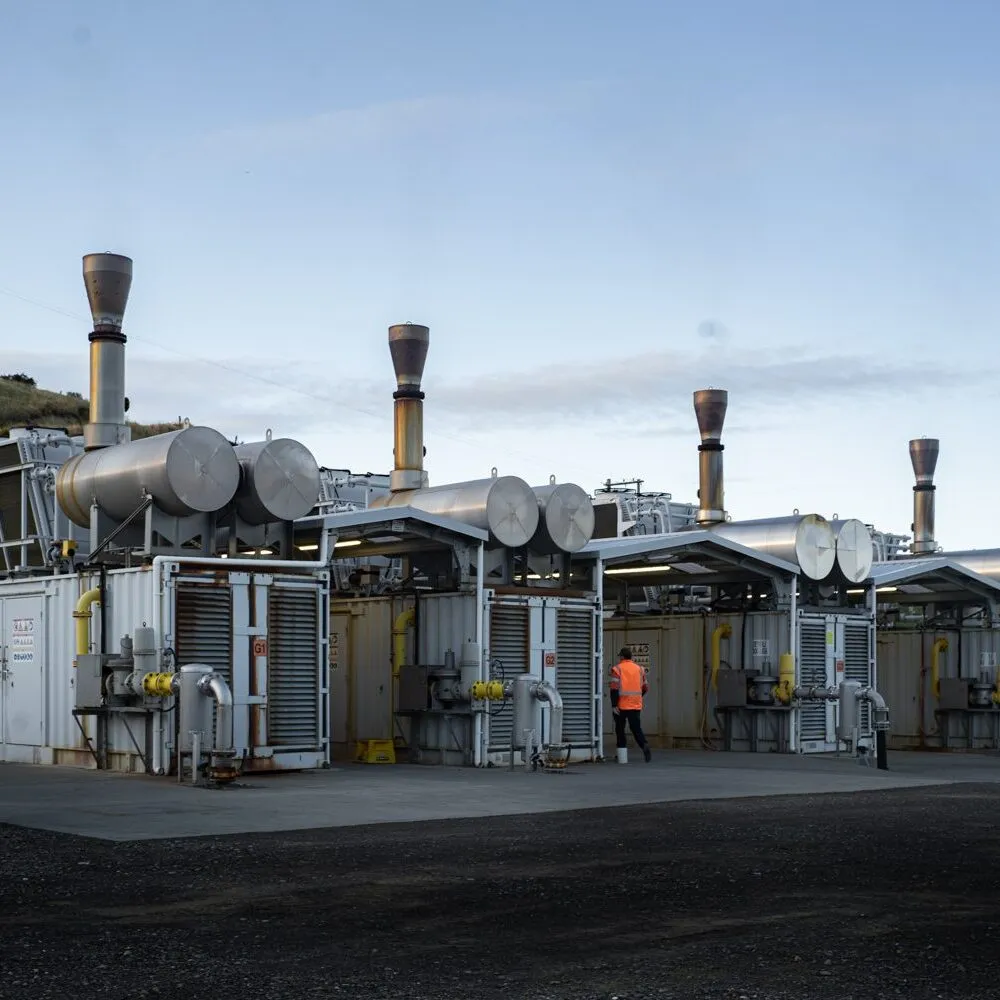

Waste generates the gas. The gas generates the power.
The power charges the vehicles that collect the waste.
Over $1.7 million returned to the local community through the Kate Valley Group Community Trust.
Aotearoa’s most comprehensively engineered waste facility. Intergenerational design.