
Conservation
One of Canterbury’s most significant ecological treasures. A 300-year restoration vision, decades in.
Infrastructure / Kate Valley Group
Protecting the environment starts with infrastructure built to do exactly that. Kate Valley was created to provide Canterbury with a better long-term solution for managing residual waste. Today, its role extends beyond Canterbury, supporting communities and customers across the South Island.
From the natural geology beneath the site to the engineered containment systems above it, every element works together to minimise environmental impact through robust engineering, continuous monitoring and responsible operation.
Trusted by Design
Recognised for Engineering Excellence
The facility received the New Zealand Engineering Excellence Award for Infrastructural Utilities and Networks and the ACENZ Gold Award of Excellence.
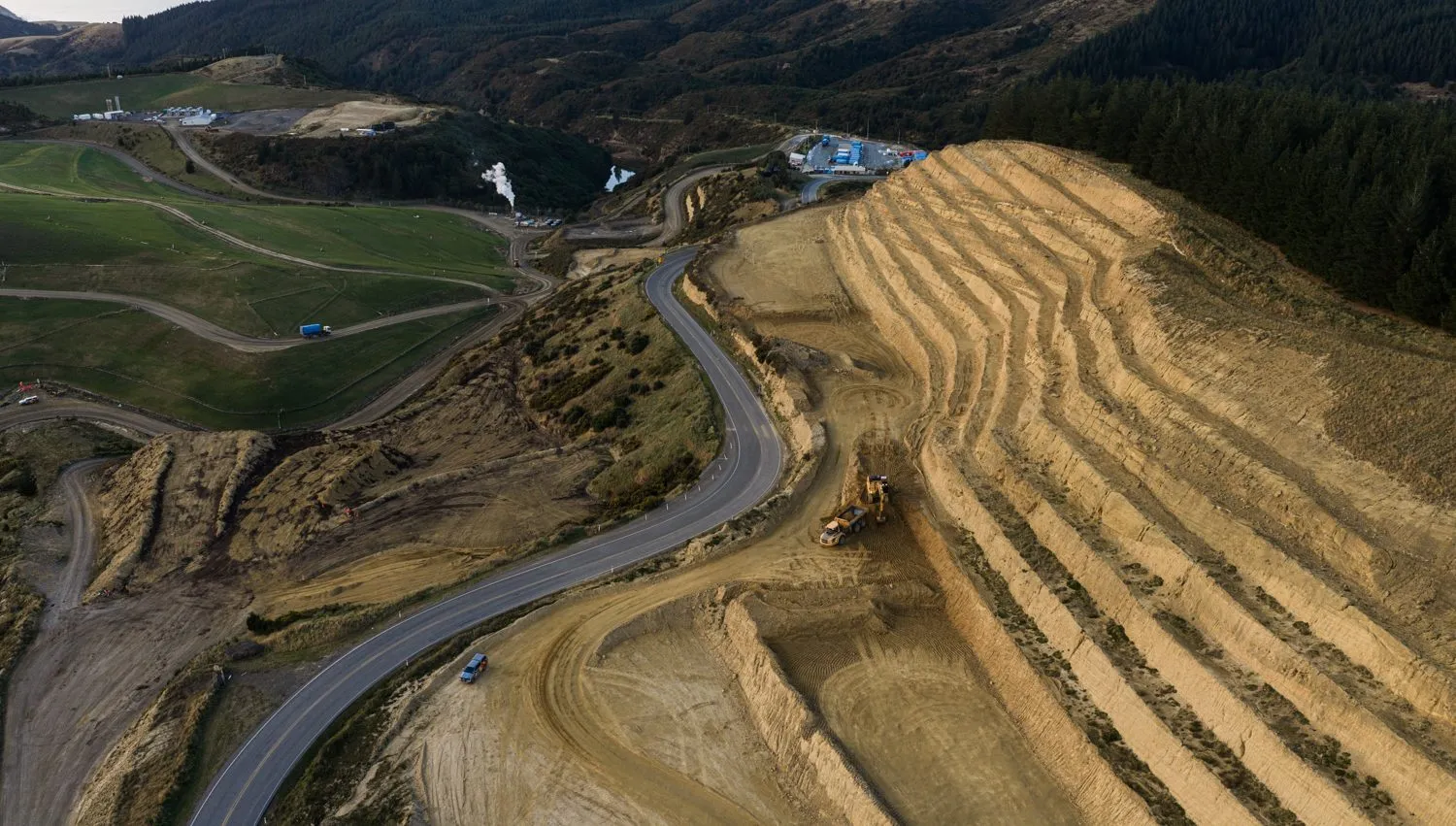
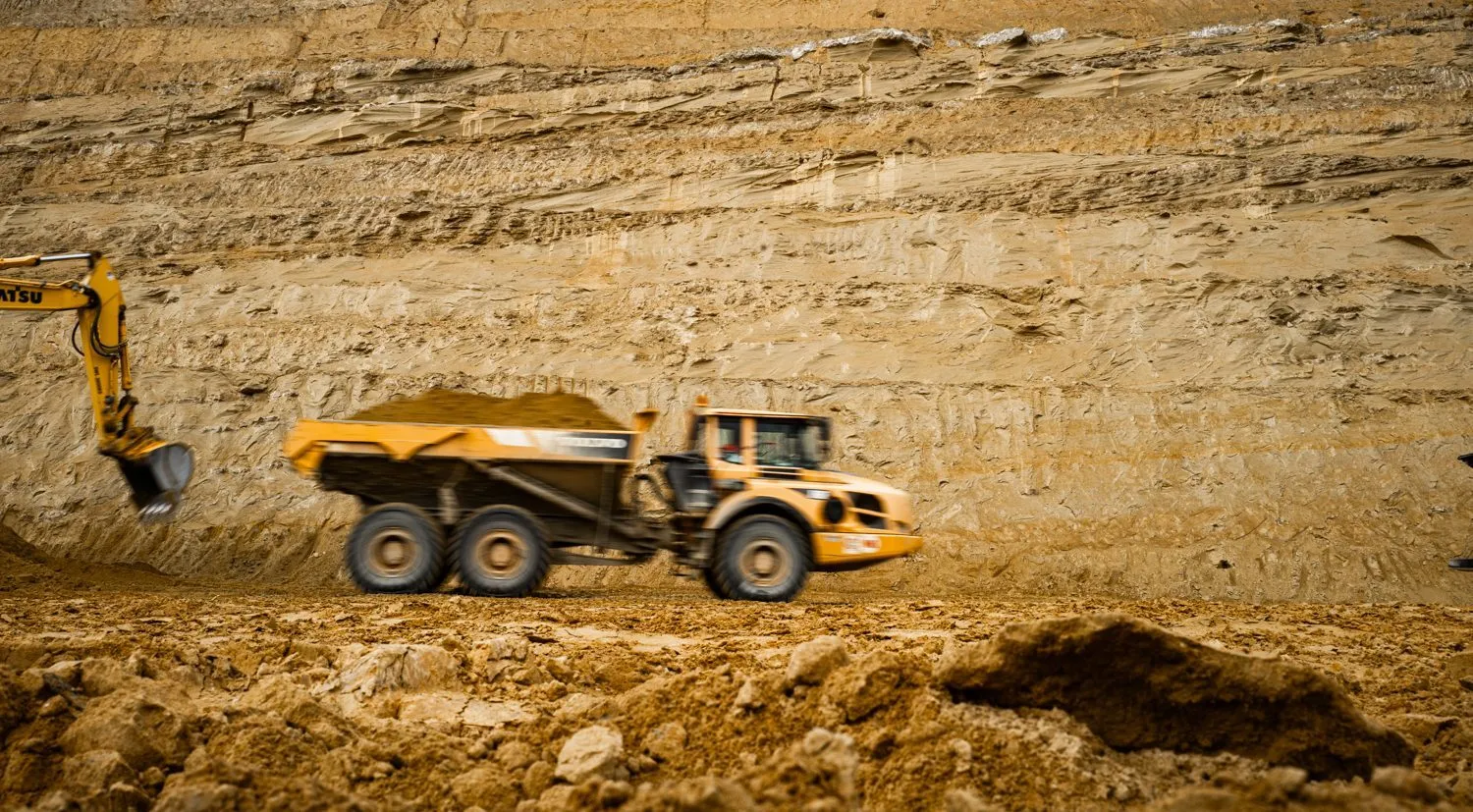
Before Kate Valley was built, potential locations across Canterbury were assessed to find the site best suited to safely managing the region’s residual waste. Kate Valley was chosen for its exceptional natural geology, providing the natural base for one of New Zealand’s most comprehensively engineered landfill facilities.
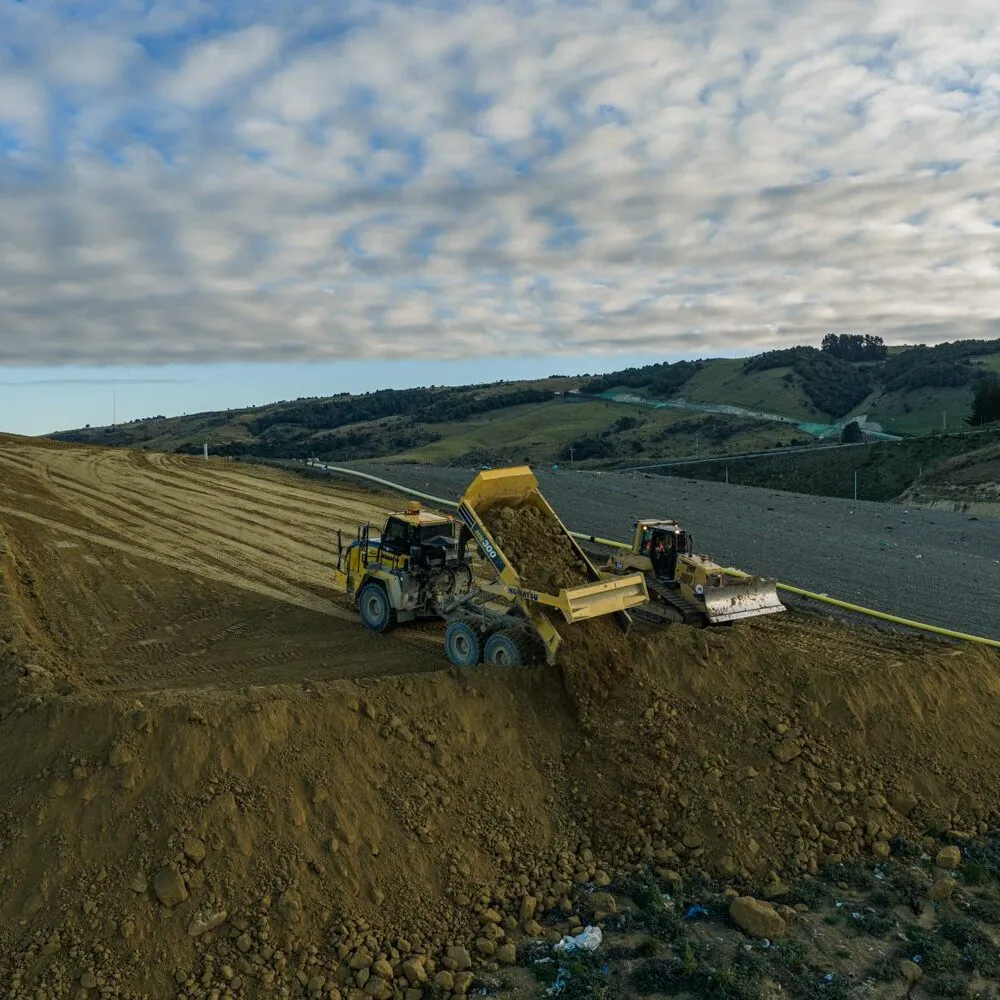
Above that natural barrier, a multi-layer engineered liner and leachate collection system provide further containment and protection for groundwater.
Protecting Water
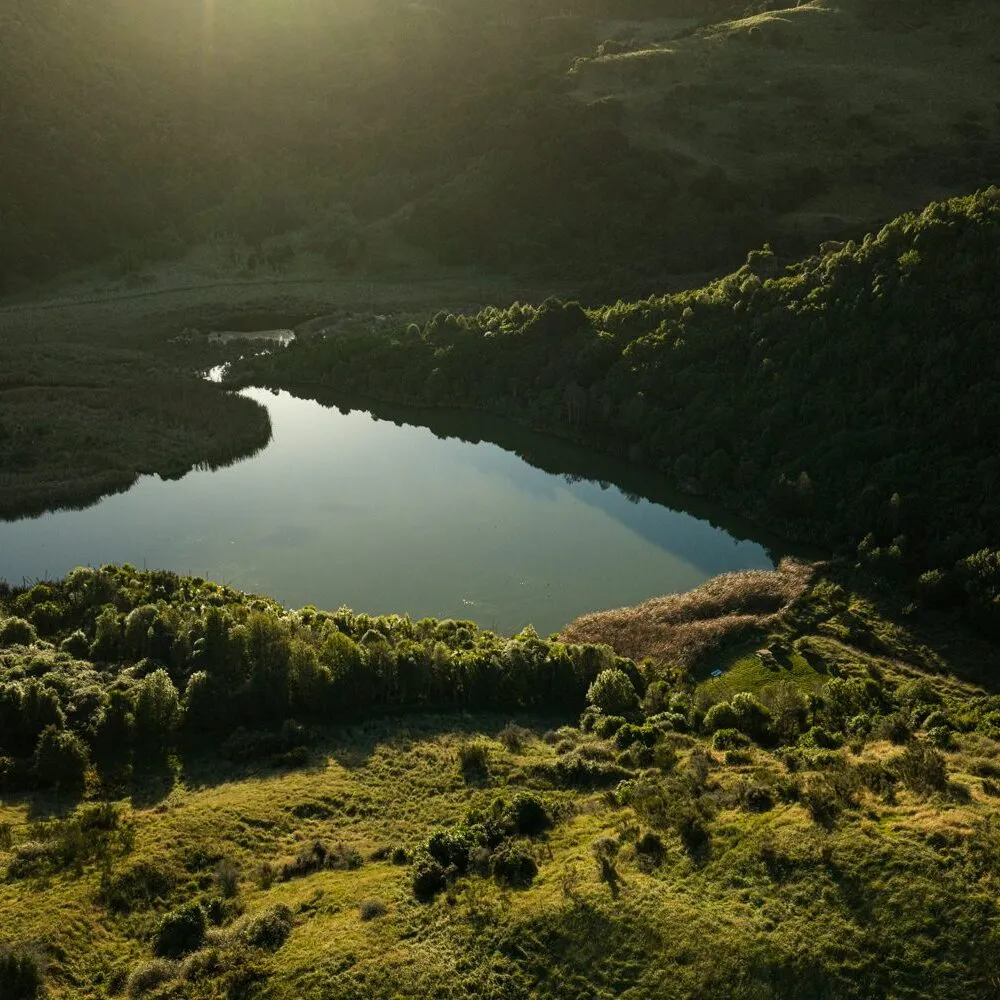
Rainwater is diverted away from operational areas before it can contact the waste through an extensive surface water network before flowing through sediment ponds, wetlands and into Kate Stream. Those managed flows also feed the neighbouring Kate Pond and Tiromoana’s wetlands, demonstrating how infrastructure can create environmental value well beyond its primary purpose.
Water that comes into contact with waste is collected as leachate. Rather than entering the environment, it is collected through a dedicated drainage system, securely stored and carefully managed.
The addition of the BeneVap evaporation system in 2023 further strengthened onsite leachate management, reducing storage volumes and improving environmental performance.
Capturing Landfill Gas
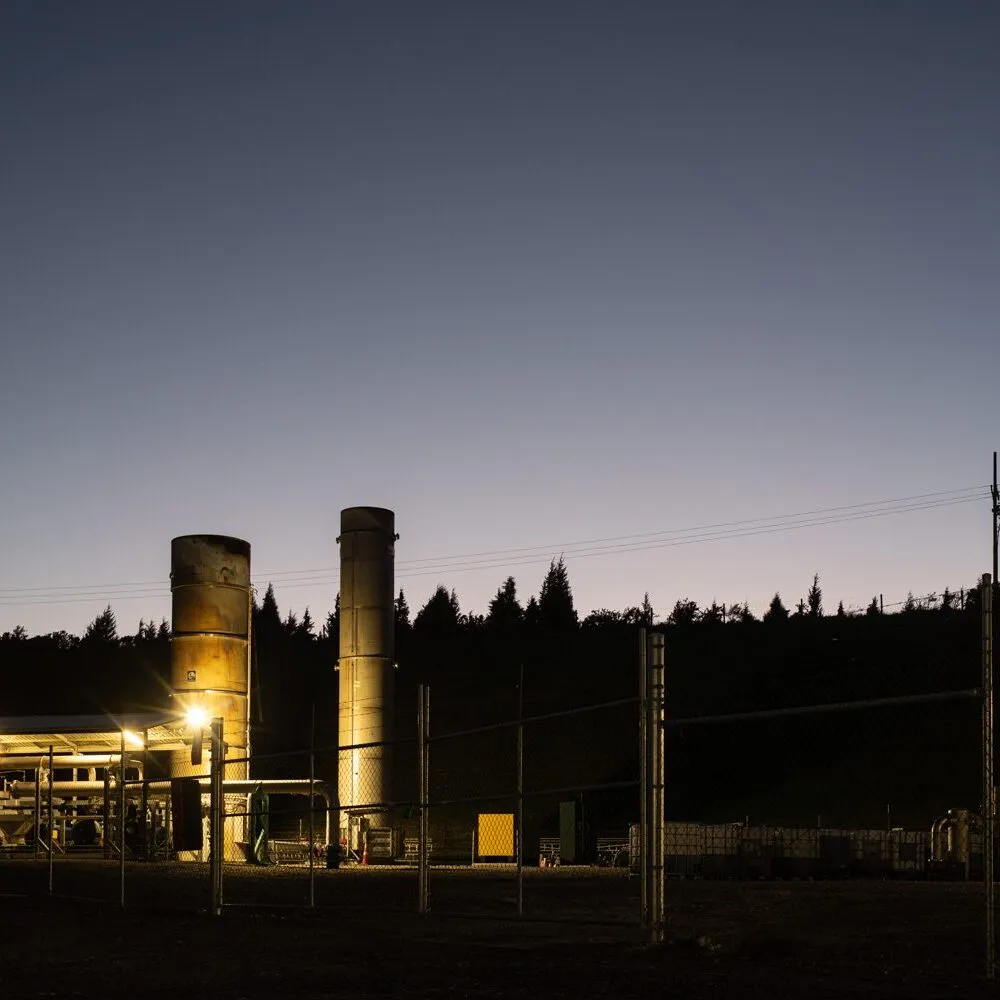
As organic material naturally decomposes, landfill gas is captured through an extensive network of extraction wells and collection pipelines preventing it entering the atmosphere.
Capturing landfill gas reduces greenhouse gas emissions while creating a valuable source of renewable energy.
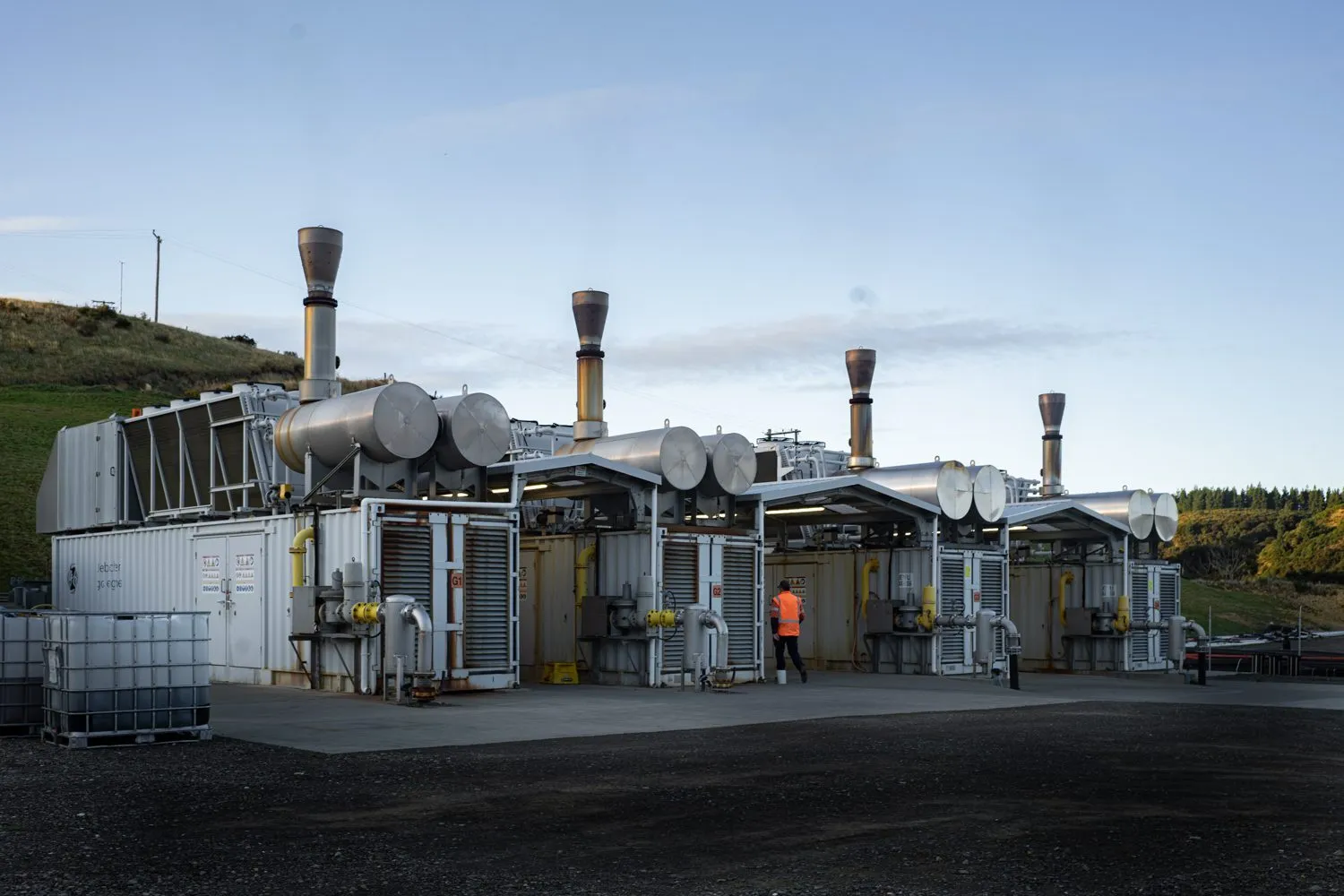
The gas is then piped to the Gareth James Energy Park, where it is used to generate renewable energy that powers up to 4,000 homes.
Monitoring Every Step
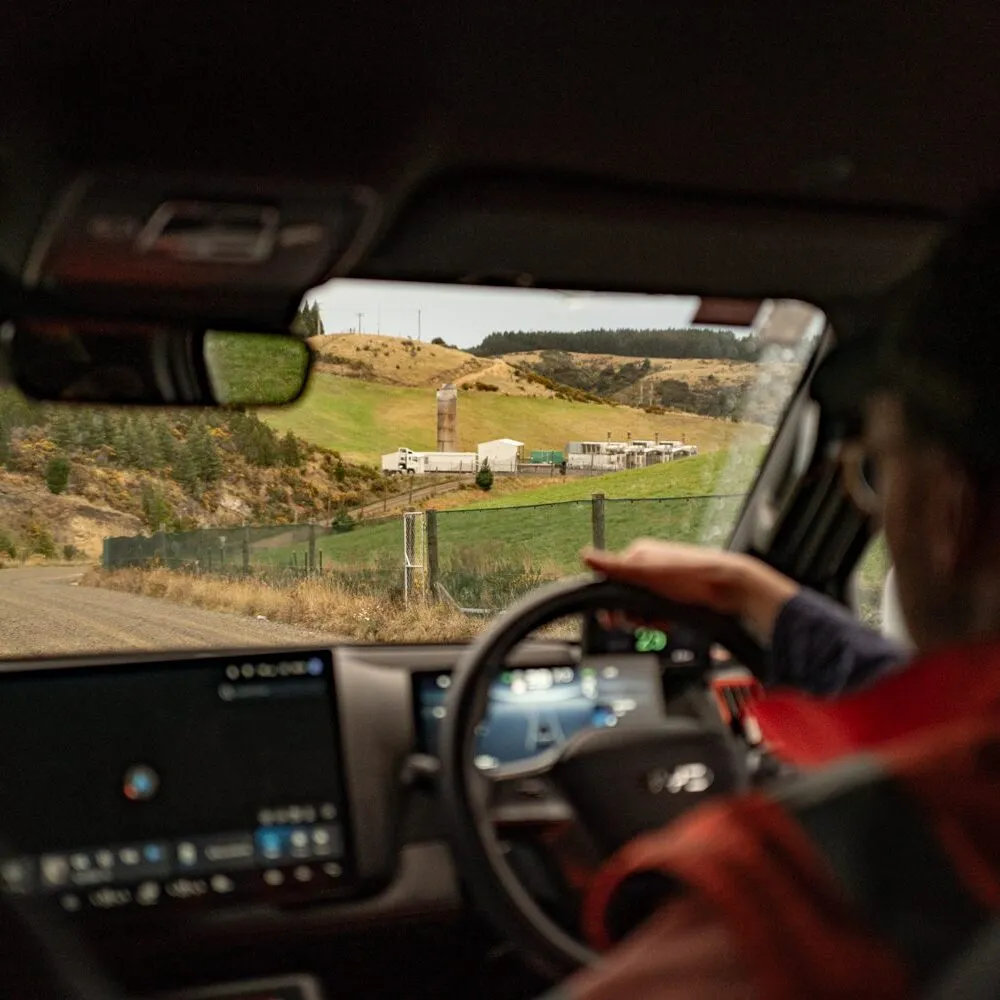
Groundwater, surface water, landfill gas, air quality and the performance of engineered systems are monitored throughout the life of the facility to ensure compliance with resource consents and environmental standards.
Independent auditing, regulatory reporting and ongoing environmental monitoring provide transparency and accountability to the communities Kate Valley Group serves.
One of Canterbury’s most significant ecological treasures. A 300-year restoration vision, decades in.
Landfill gas, captured and transformed. Renewable energy, powering up to 4,000 homes.