Published /
Nature thrives when people champion it
Twenty years ago, Kate Valley was sheep and nassella country. Today it is Tiromoana, a regenerating native forest and wetland open to everyone. Nature has done much of the work. Gill Cox made sure it had the chance.
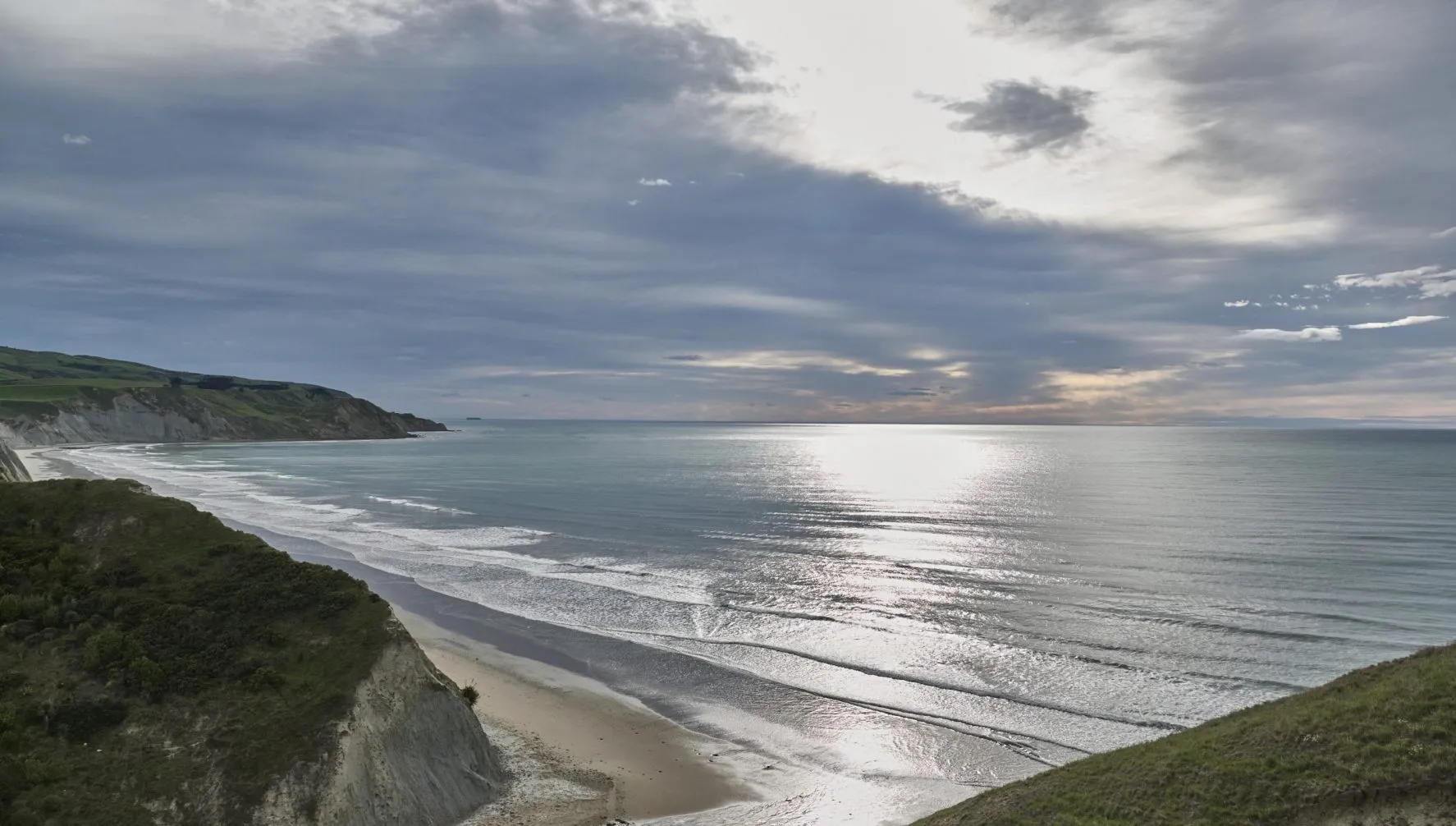
Some people look at a landfill site and see a problem to manage. Gill Cox looked at the valley beside it and saw a forest.
He remembers the first time he saw it. “It was a classic Canterbury summer’s day with a bright blue sky,” he says. “Coming over the saddle and seeing a landscape that, despite being a Cantabrian, I did not know existed. The sweep of Pegasus Bay, the tranquility of a world too often forgotten, the opportunity to protect something very precious.”
In 2004, a year before Kate Valley Landfill opened, Transwaste Canterbury, now Kate Valley Group, set aside 407 hectares of the lower Kate Valley for restoration. Working with Gareth James and Gill Cox, ecologist David Norton set a 300-year vision: a restored native forest where natural processes, working with human input, do the work, and where people come to walk, learn and enjoy. A QEII National Trust open space covenant now protects it forever.
Gill joined the board as a director in 1998 and became its chair in 2007. In both roles, he championed Tiromoana from day one, with the backing of his fellow directors. He never saw the regeneration of Tiromoana simply as a consent condition. It was an opportunity to show respect for nature, and to give nature the chance to showcase its resilience and resolve to champion over adversity.
“Whatever the consent required, there was an imperative to ensure Kate Valley was not lost for future generations,” he says.
“We want to take that opportunity to give back to the community that was hosting us, to bring back nature the way it used to be,” he says in the documentary Think Like a Forest.
Nature as a shareholder
Kate Valley Group has shareholders: Canterbury councils and WM NZ. Gill believes there should be one more.
In a 2025 interview with Pure Advantage, he talked about an idea now gaining ground around the world: treating nature as a shareholder. At Kate Valley it is more than an idea. The landfill takes up only 37 hectares of the roughly 1,300 hectares Kate Valley Group owns. Some 407 hectares are being returned to native forest and wetland, with the balance in amenity and commercial forestry.
“True shareholders consult with and listen to each other, and act in the common good,” Gill says. “In doing these things with nature, we all benefit, and nature has a true voice in what we create now for the future.”
Bringing water back to the valley
In 2005 Kate Pond was created on the valley floor, along with a 12-hectare wetland, adding to the small natural wetlands already there. What were once seasonal wetlands that dried out each summer now hold water all year round.
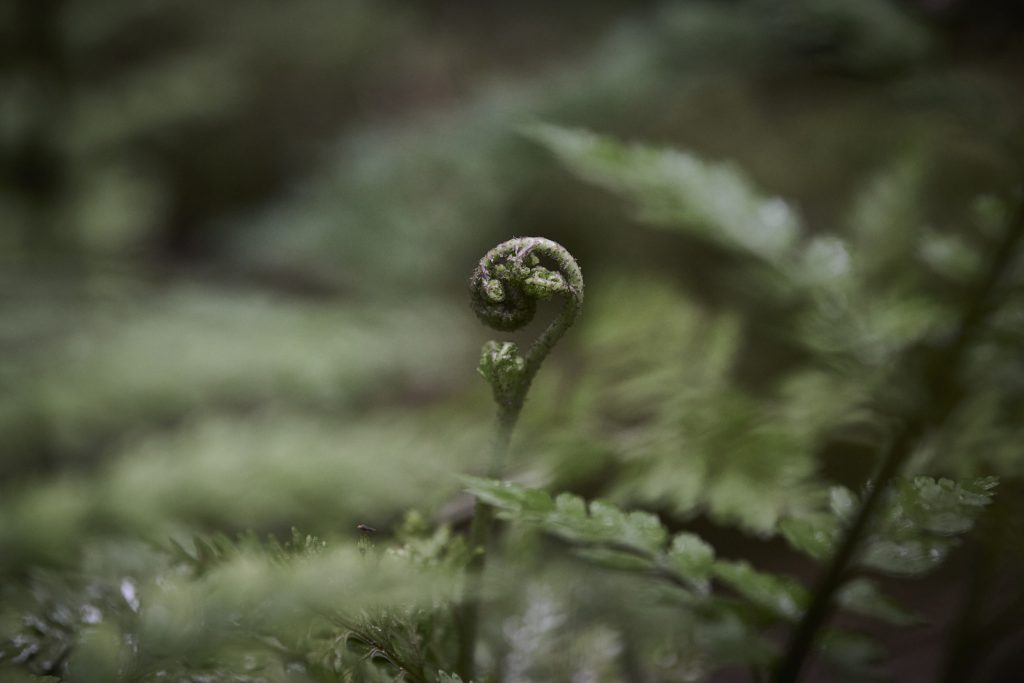
Nature took it from there. Raupō spread around the pond on its own, and the birds followed. Grey teal and paradise shelduck now raise their young on the ponds, alongside flocks of scaup and shoveler.
Deep in the raupō lives one of New Zealand’s most secretive birds, the pūweto/spotless crake. It is rarely seen, is classed as at risk and declining nationally, and has made Kate Pond a home. A small population lives there today, and surveys suggest numbers are growing. In 2018 a marsh crake, another rare and at-risk species, was heard there too. It was the most northerly record of the species in Canterbury.
Wetlands are among the rarest ecosystems in Aotearoa. At Tiromoana, one was brought back to life. Now the whole valley floor is slowly wetting up, ready for the next chapter: a swamp forest dominated by kahikatea, New Zealand’s tallest native tree, planted tree by tree. Other species will also flourish, along with a range of swamp-loving fauna and birdlife. It will be a real jewel in the precious collection we call Tiromoana.
“The life and vibrancy of a true wetland provides the paradise of the ultimate in peace, tranquility, and a glimpse of the true beauty of nature at work,” explains Gill. It is also where his favorite moments are found: “Always those quiet moments when alone on a still day at Kate Pond.”
A pou facing the sea
Of everything at Tiromoana, the pou may be closest to Gill’s heart.
In December 2018, at the end of the new Te Ara Matairangi track, a viewing platform opened high above the beach. On it stands a pou carved by Ngāi Tahu master carver Fayne Robinson, designed with Ngāi Tūāhuriri, who holds mana whenua here. It is an ika pou whenua, a mahinga kai marker, and its carvings reflect the importance of this coast to Ngāi Tūāhuriri as a place where food and resources have long been gathered. Makarini Rupene of Ngāi Tūāhuriri performed the karakia and blessing.
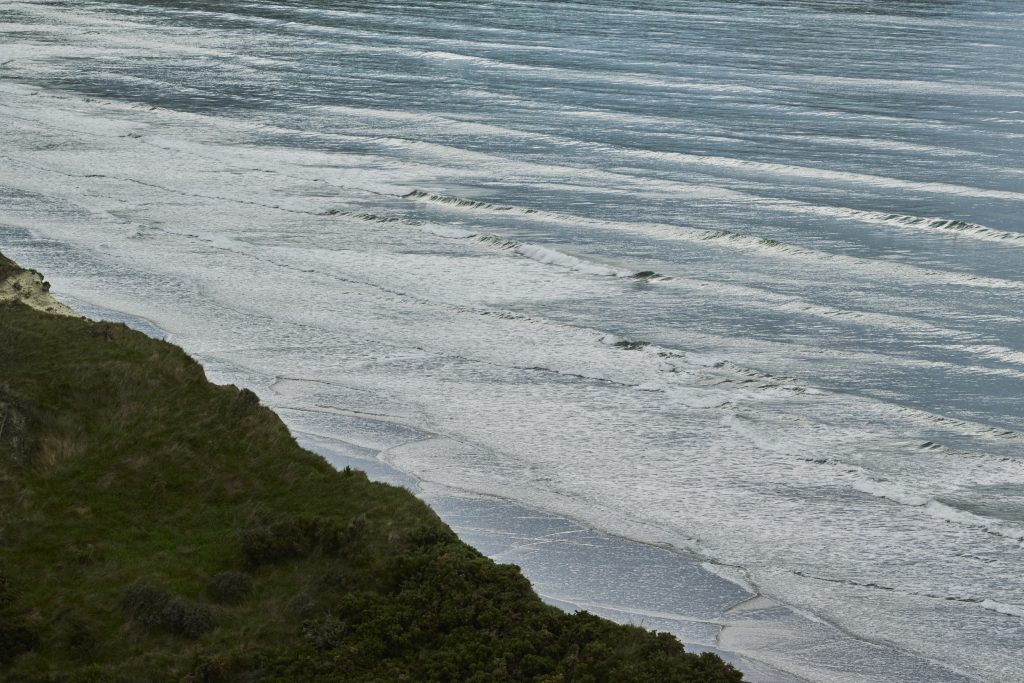
For Gill, it marked a relationship as much as a place. “Kate Valley is located within the Ngāi Tūāhuriri takiwā and our partnership with Te Rūnanga o Ngāi Tūāhuriri is extremely important to us,” he said that day.
He also called Tiromoana “a national treasure in the making” and said he was thrilled the pou and the lookout would help people understand the cultural significance of the area. It is Gill’s hope that this special, spiritual place will not only become well known but will be seen as a guardian of the hinterland beyond: Tiromoana.
“To stand beside it feels like holding hands with our forebears,” he says, “to protect, enhance and restore not only the failures of the past, but also the visions of working with nature.”
Beyond the boundary
Change makers rarely stop at their own fence line. In 2015 Gill and Gareth James, the driving force behind the landfill itself, challenged the community with the question of how Tiromoana could lead conservation across the wider Hurunui. That remains an unanswered question, but one that, once solved, will place the Hurunui in a leadership position for the restoration of biodiversity within modified landscapes in New Zealand.
In 2025 Gill and Tiromoana featured in Think Like a Forest, Pure Advantage’s documentary on restoring Aotearoa’s native forests, screened on TVNZ+, on Air New Zealand flights, and in communities across the country.
A place people love
Tiromoana demonstrates that, given the chance, nature will respond. Thousands of native trees go in every year, and the earliest plantings now tower over the people who planted them.
The birds have noticed. There were no kererū present when monitoring began in 2005. Today a small population lives in the bush, and it is growing. Miromiro/tomtit, once a rare sighting, are seen more often, and tūī, never recorded here before, have been seen and heard along lower Kate Stream. Korimako/bellbird numbers are recovering, with groups of up to 20 seen and heard together.
New visitors keep arriving. A kārearea/New Zealand falcon has been seen at Tiromoana, and kōtuku/white heron are seen more often. Down on the forest floor, Canterbury gecko and Canterbury grass skink numbers are creeping up, and wētā and ground beetles are turning up more often too.
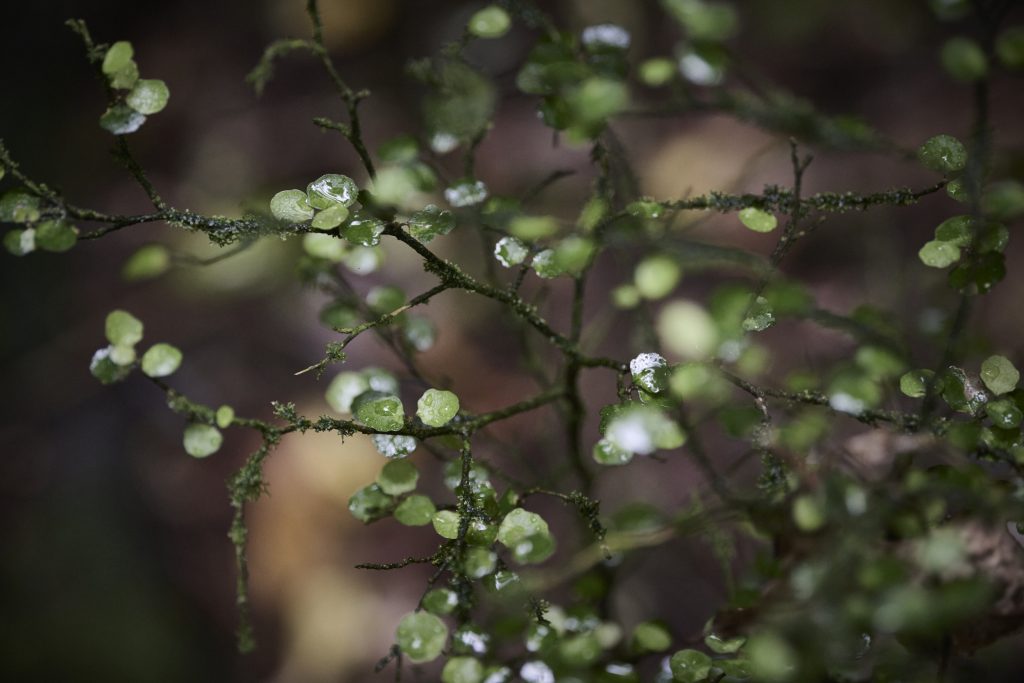
Tiromoana is loved by locals, Cantabrians and visitors from around the world. On any given day you’ll find walkers on the tracks, families picnicking Kate Pond and people standing at the coastal lookout beside the pou, taking in the view. All of it is free, and open to everyone.
What Gill is proudest of is “seeing a vision coming to life, albeit only in the earliest days”. For those who stand at the lookout in years to come, he hopes for “peace, reflection, opportunity, that not all is lost”.
And to the people who will carry the work on, his advice is clear. “Hold firm to the vision and remember to work with nature, at nature’s cadence. Being human, remember when working with nature the words of Professor David Norton: patience and perseverance!”
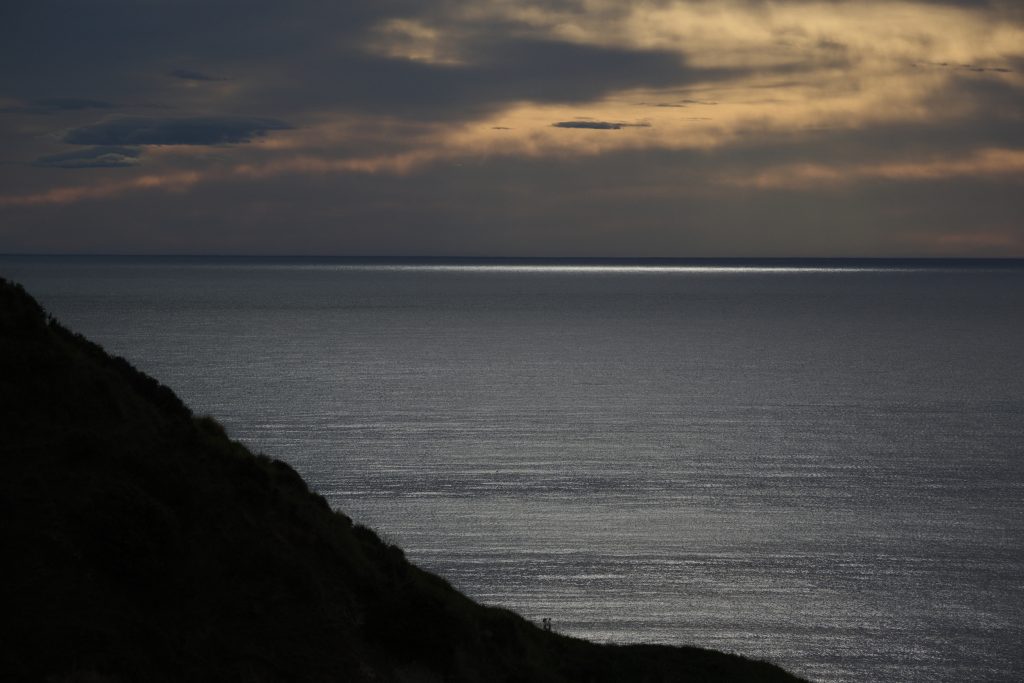
Nature thrives when people champion it and lend it a helping hand.